Action Plan with EU did not considerably reduce corruption in Moldova, study
https://www.old.ipn.md/en/action-plan-with-eu-did-not-considerably-reduce-corruption-in-7967_978596.html
The policies and measures aimed at fighting corruption implemented under the EU-Moldova Plan of Action since 2005 did not produce notable results, says the study “Efficiency of Anti-corruption Policies and Actions in the Context of the Moldova-EU Plan of Action”, Info-Prim Neo reports.
The study assesses the situation in the area before the signing of the Plan of Action and during its implementation. It was carried out as part of the project “Moldova-EU Relations: Improving Public Information and Debate on Key Developments”, which is implemented by the Association for Participative Democracy ADEPT with financial support from Soros Moldova Foundation.
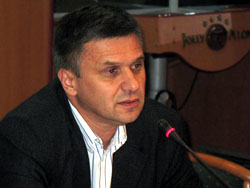
Author of the study Cristina Cojocaru told a news conference on October 29 that the perception of corruption has not changed considerably. The people and the social groups have practically the same attitude to corruption and authorities' efforts to fight it. “The European institutions made cautious assessments of Moldovan authorities' efforts aimed a combating corruption,” she said.
Cristina Cojocaru also said that the corruption indexes until 2000 were lower, while the anti-corruption indexes were higher compared with 2008. Unlike the corruption indexes in the economically developed states, which are relatively stable, in Moldova they have developed in an uncontrolled way during eight years. The corruption perception index oscillated the most. During the parliamentary elections, it rises suddenly. This is not due to changes of the general situation, but to the fact that the phenomenon of corruption is widely discussed during the electoral periods.
In 2008, the anti-corruption index increased, but compared with the statistical data for 2000, it remained stagnant. “The fight against corruption has not been very efficient. The progress made was insignificant,” the author said.
Speaking about the relations between Moldova and the EU, especially the accords to sign the association agreement, the executive dissector of ADEPT Igor Botan said that this document will not guarantee an immediate prospect of becoming an accession candidate. “It is called association agreement because Moldova associate itself with the EU values and standards. This is only a first step. The rest will depend on the Moldovan people,” Botan said.