Chronicle of Poland's dismemberment in photos and maps
https://www.old.ipn.md/en/chronicle-of-polands-dismemberment-in-photos-and-maps-7967_985489.html
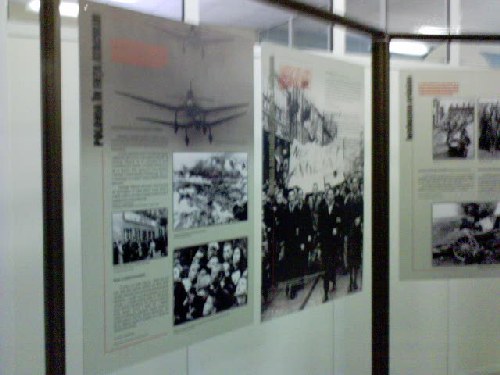
The Embassy of Poland presents an original collection of maps and photographs about the dismemberment of Poland following the signing of the Ribbentrop-Molotov Pact at the National Museum of Archeology and History in Chisinau.
“The exhibition is a sad chronicle of those events. The documentary scenes express not only a great tragedy, but also a lot of courage, heroism, dignity and love for the motherland,” the Museum's vice director Elena Postica said at the opening of the exhibition, Info-Prim Neo reports.
“61 years ago, in September 1939, Poland was attacked first by the Nazi Germany and then by the Stalinist Soviet Union. The Second World War began. A period of fighting started for the Polish people, which lasted for 50 years. At first they fought for survival, then for the reestablishment of sovereignty,” said Polish Ambassador in Moldova Bogumil Luft.
According to the diplomat, the exhibition conveys a message of joy as those times are over. “Even after the severest blows, consistent and effective efforts can be made to build a future in accordance with out aspirations,” he said.
Historian Anatol Petrencu said on September 28, 1939 Ribbentrop went the second time to Moscow to sign the “Friendship and Border Treaty” whereby the two dictatorships of the 20th century divided Poland and solved all the territorial problems. According to him, a citation from Stalin's speech of August 19, 1939 shows the Soviet Union could have avoided signing the treaty, but did not do it as it was aware that Germany will attack Poland and the war will start.
“This exhibit reminds of the horrors of the war and points to the necessity of joining forces in times of crisis. The subject has not been discussed thoroughly. Books of the 'neo-Stalinist' category appeared in Russia in 2009-2010. They blame Poland for the start of the war and for making the Russians sign the treaty with the Nazi Germany,” said Anatol Petrencu.
The opening was attended by Moldovan people of culture and representatives of the diplomatic corps and the Polish community. The exhibition will continue until October 15.