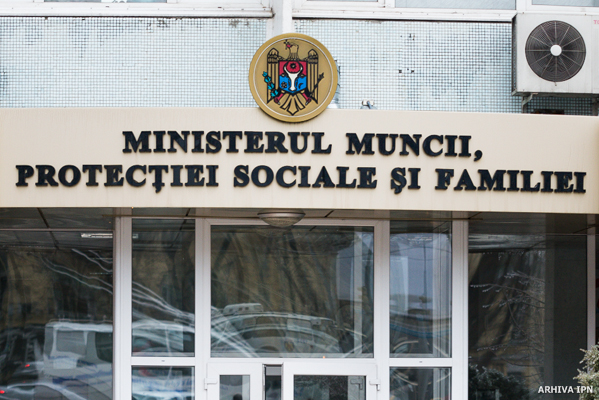
The Ministry of Labor, Social Protection and Family submitted a bill on the ensuring of equality of chances between women and men, Minister Valentina Buliga said in a ceremony held to launch a new program to promote women in politics for 2014-2016, which was worked out by UN WOMEN and UNDP, IPN reports.
According to a communiqué of the Ministry, Valentina Buliga invoked two arguments in favor of balanced representation of women and men in politics. One of them is that women represent half of the population and should thus be correspondingly represented in politics. The second argument is that the women have common interests and needs deriving from their specific experiences, which are inappropriately treated by the politics dominated by men.
“Some of the problems remain outside the public agenda, while other problems are addressed insufficiently because the representatives do not always know the interests and concerns of this social category,” stated Valentina Buliga, underlining that the women’s participation in decision-making will increase the level of transparency and will improve public and economic management.
Forty countries set gender quotas in their electoral legislation or in the Constitution. Another 25 countries, especially from Asia and Africa, reserved places for women in the national legislature or the local executive bodies by law. Many countries and most of the European counties have voluntary gender quotas at party level. In Moldova, women represent only 19.8% in Parliament, 17.4% in district and municipal councils, and 28.6% in local councils. This is much under the international standards and the commitments undertaken by objectives set at national and international levels.
The bill to adjust the national legislation to ensure the equality of chances between women and men contains measures to ensure and promote active participation of women in decision-making in public bodies and when designating executive personnel for international missions and organizations. It suggests introducing a gender participation quota of at least 40% and instituting mechanisms to make sure that at least two of the five candidates on the lists of political parties on any numerical segment are of the same sex.