Local authorities have been given extended powers to manage and adjust local taxes and duties, thanks to changes to the Tax Code that came into force on January 1. These changes affect the way real estate, wealth, local and natural resource taxes are applied. The novelties concern both individuals and legal entities, giving local governments more flexibility in setting and collecting taxes, IPN reports.
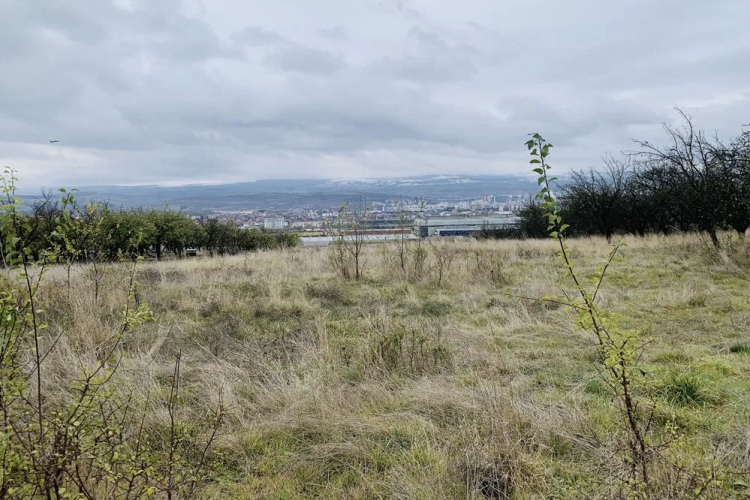
As for real estate and land taxes, local authorities now have the right to increase by up to 300% the taxes on buildings and unimproved land located within the urban area. The same rule applies to agricultural land unused for two consecutive years, with the tax to be levied from the third year of non-use. This measure aims to encourage owners to maintain their buildings and use agricultural land productively.
At the same time, during the course of this year, until January 1, 2026, the provisions allowing the cadastral body to levy unassessed real estate for taxation purposes will continue to apply.
Another important change is the delegation of the power to individuals - working in the justice or health sectors - to calculate and declare taxes on their real estate individually.
As far as wealth tax is concerned, the scope of the tax has been broadened to include all immovable property for rental purposes, even holiday homes, but excluding land. This tax will be levied on properties with an assessed value of at least 200 average monthly salaries and a surface area of at least 120 square meters. The amendment brings more clarity and uniformity in the application of this tax.
An important novelty is the introduction of the sanitation tax for all individuals registered at the address declared as their domicile. This fee will be calculated annually, as of March 1, and aims to support efficient waste management at local level. The period of calculation and payment of other local taxes has been changed from quarterly reporting to half-yearly reporting, with a deadline for payment by the 25th of the month following the half-year.
In the area of natural resources, the tax calculation and payment regime has also been adapted to a half-yearly frequency, which gives taxpayers more time to comply. It gives rights to individual entrepreneurs and peasant (farming) households - subjects of taxation with natural resource taxes, whose average annual number of employees during the tax period does not exceed 5 persons and who are not registered as VAT payers, to submit, starting with the tax period corresponding to 2025, a unified statement of account - by March 25 of the tax period following the tax period following the tax period of management, with payment of the respective taxes within the same deadline.
Local authorities may now set additional fees for the use of public road and buffer zones for commercial or advertising purposes for both individuals and legal entities.
The raft of changes gives local authorities more control over their own revenues and creates opportunities for efficient management of public funds. They also introduce additional responsibilities for taxpayers, who have to familiarize themselves with the new requirements and meet payment and declaration deadlines. The new powers have been introduced to support the development of local communities and to stimulate more efficient use of available resources, IPN reports.