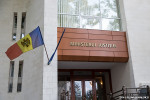
The April 5 decision of the Broadcasting Coordination Council (BCC) to withdraw the broadcasting license of the TV channel NIT is legal and justified, the Council’s chairman Marian Pocaznoi said in a news conference on Wednesday, Info-Prim Neo reports.
“No other broadcaster violated the law so flagrantly, constantly and seriously, ignoring the national and international legislation, the norms concerning the observance of the human rights and fundamental freedoms and the democratic broadcasting principles for so long,” stated Marian Pocaznoi.
According to him, the irregularities were identified during the monitoring performed at this channel during the last three years. “This media outlet flagrantly violated the human rights by distorting the reality and by misinformation, especially in the news programs. Thus, the people living in the area covered by the TV channel (about 70% of the country’s territory) didn’t have access to correct and pluralistic information,” said the Council’s chairman.
Marian Pocaznoi also said that the BCC repeatedly warned NIT to obey the law, but the channel’s administration ignored the warnings and continued to flout the Broadcasting Code. “Therefore, after the Broadcasting Coordination Council used up all the measures available to make a broadcaster obey the law, it ultimately had to withdraw the license,” he stated.
The BCC monitored the main TV channels with the assistance of European experts in 2009-2012. It determined that NIT committed serious irregularities. The channel was monitored in parallel and in the same conditions as other broadcasters, some of which were penalized.
In a communiqué issued after the news conference, the administration of NIT says that Marian Pocaznoi misled the journalists and society in general. According to NIT, the monitoring report based on which the BCC took the decision to withdraw the channel’s license is erroneous. “The personnel of NIT are indignant at Pocaznoi’s statement that the Council’s decision to withdraw the broadcasting license of the channel was based on multiple complaints about the broadcaster’s editorial policy that came from viewers. The TV channels’ administration wasn’t informed about such complaints,” reads the communiqué. The team of NIT calls on all the international media organizations to take attitude to the steps taken to undermine the freedom of expression in Moldova.