“I was five or six then. I lost my parents and my brother on the Bug. I and another three children survived. They promised us farmland, but were forced to work in camps and fight for survival every day. The Russians were very tough on us. When they caught the women in the village, they made the men to rape them in the middle of the road,” related one of the survivors of the Roma Holocaust.
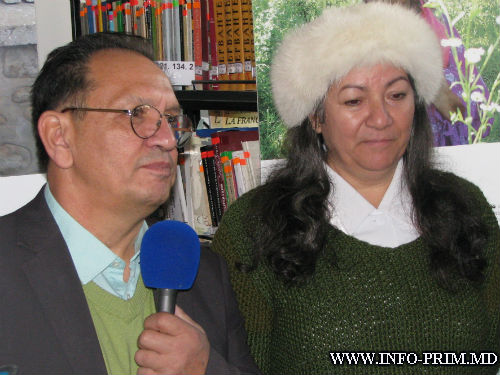
Pictures of the Roma Holocaust were exhibited in Chisinau by Luminita Cioaba from Romania, the daughter of a survivor who was deported to Transnistria, Info-Prim Neo reports.
“I’m glad that we can show a black page of the history of the Romany people during the Second World War,” said Luminita Cioaba. Until now the pictures have been exhibited in a number of towns in Sweden. In Chisinau, it is the first event of the kind.
Luminita Cioaba said the exhibition aims to make information public and adopts a more personal approach to the crimes against humanity committed during World War II. “This is important for a better understanding of such historical events as the Holocaust in Transnistria, and of the danger posed by racism,” she stated.
Attending the opening of the event, UN Coordinator Peter Casler said the exhibit represents a number of communities. Though they are important, they are excluded, but nevertheless form part of this picture - Moldova.
In 1942-1944, 25,000 to 90,000 Romany people had been deported from Romanian to southern Ukraine, between the Nistru and Bug Rivers.