About 57% of the solvent-based paints sold on the home market of Moldova, which were analyzed by the public association “EcoContact” within a study, have a high lead level, while five of the 12 examined paint brands have dangerously high lead contents. The study was presented within the International Lead Poisoning Prevention Week of Action.
None of the 31 paint boxes purchased for being analyzed contained information about the lead level on the label and few of the producers described in detail the chemical components of the paint.
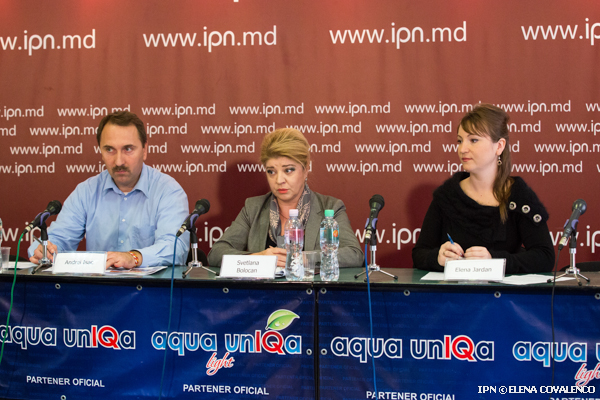
“EcoContact” head Andrei Isac, in a news conference at IPN, said most of the warnings on paint boxes said only “dangerous for water resources” or “keep away from children”, but said nothing about the poisonous effects of lead or other components on the health of children or pregnant women. Lead is added to the imported paints and those made in Moldova in order to increase resistance or make it shine. The yellow, red and orange paints had the highest lead levels. This exceeded the admissible limits.
Andrei Isac said during the study they identified alternatives for paints with lead content. These are as accessible and the prices are comparable. These are the paints based on water or oil.
Svetlana Bolocan, division head at the Ministry of Environment, said the objectives of the International Lead Poisoning Prevention Week of Action center on the informing and raising of awareness of the impact of lead poisoning. “The World Health Organization described exposure to lead as one of the ten global threats to the environment,” she stated.
Elena Jardan, head of the Experimental Toxicology Lab of the National Public Health Center, said there is no health safety level when we speak about the level of lead in blood. Lead is toxic for the central nervous system, reproduction system, kidney, etc. It is very dangerous for the brain of the child and can seriously affect the intellectual development level and can lead to lower learning abilities.
The study was carried out within the IPEN global project that is an international network consisting of 700 NGOs from 116 countries that work to reduce and eliminate the dangerous substances that are toxic at international and national levels.