After almost a year of the adoption of the laws of the integrity package, the National Integrity Authority (NIA) does not yet have administration and is not functional. An institutional vacuum as regards the declaration and control of the property and interests of civil servants appeared after last July.
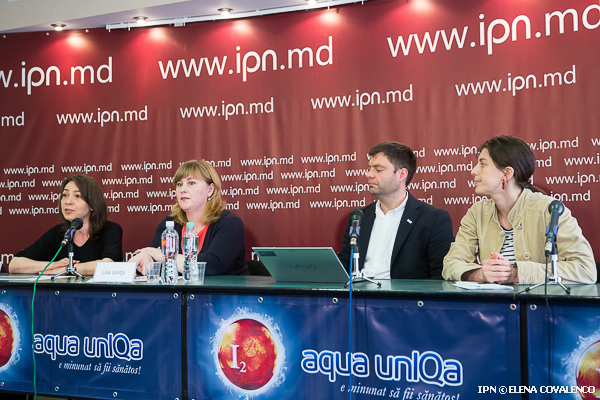
Mariana Kalughin, expert of the Center for the Analysis and Prevention of Corruption (CAPC), in a news conference at IPN said that since then the inspections initiated by the NIA based on the old law could continue only under the procedures defined by the new law that was essentially modified. The main role is to be played by integrity inspectors who are yet to be named on a contest basis. “In practical terms, this institutional vacuum has lasted until now and the control was actually stopped,” stated the expert, noting that an exercise that should be very swift is actually long-lasting.
According to the CAPC, this could create difficulties in the examination of declarations, especially those submitted in 2016 for 2015. In this connection, Mariana Kalughin referred to an article of the law on the NIA that refers to the powers of integrity inspectors. The law stipulates that these can collect and process information obtained during the fiscal year.
The expert noted that the NIA is a key authority that ensures integrity and the contest to choose its head and deputy head should be thorough, but should not cause the impression that it is delayed.
Ion Guzun, expert of the Legal Resources Center, said that the integrity inspectors cannot be yet named because the administration of the NIA hasn’t been chosen. As a result, the property and conflicts of interests of civil servants are not verified. “We hope a lot that Parliament and the National Integrity Commission will take all the necessary measures to show that the law is implemented and there are no delays, while the procedures are based on merit and there are no influences from outside that would delay this process,” he stated.
Elena Prohnitski, of the Association for Participatory Democracy, said that declarations this year have been collected, but it is not known when they will be made public as the company that is to scan these declarations for them to be published in an electronic format hasn’t been yet chosen. The process can be long-lasting and the declarations could be made public in November only.