There are clear and direct threats to animals and plants in Moldova, both terrestrial and aquatic, and these threats are generated by human, economic, social, political and institutional factors, found an mission conducted by USAID and national experts that studied Moldova's flora and fauna for three weeks.
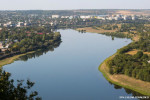
The forestry agency Moldsilva said in a press release that the mission visited the area of the future Orhei National Park, including the reservation Orheiul Vechi, the Curchi Monastery, the Orhei Forest Range, as well as the Tiraspol-based sturgeon fishery “Aquatir”. Also, the mission experts assessed the situation in the southern Steppe and in the Taraclia Forest Range, in the Lower Prut Wetlands, including the forestry and hunting enterprise Manta-V, in the Lower Prut Reservation, at the Manta Lake, in the Centru Forest Range, and in the Codri Reservation.
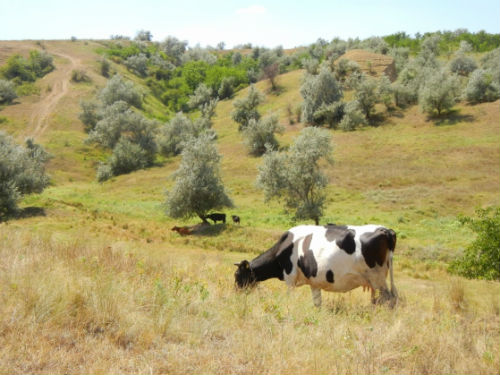
The mission found in particular that the dangers for the Moldovan flora and fauna are mostly related to conversion of wildlife habitat and advancement of agriculture, which implies transforming areas from natural ecosystems into farmland and drying of wetlands for agricultural purposes. Another major hazard is pollution with wastes, including household waste, in particular of water. Also, people engage in pasturage in protected areas and, despite low numbers of livestock, the situation is compounded by an enduring drought.
Experts also found that forest resources are limited in Moldova and wood is harvested in an uncontrolled manner, which leads to selective felling of rare species of trees.
Among other factors that lead to biodiversity degradation, according to the mission, are poverty in rural areas and the lack of resources, as the rural population have no understanding of sustainable utilization and conservation of natural resources.
Further, there is little coordination of management policies between relevant agencies, including the Ministry of Environment, the Ministry of Agriculture and the Forestry Agency Moldsilva. Policy harmonization also lacks at local level. The lack of transparency and the presence of corruption adds to the threats. Also, the mission recommends to strengthen education on environment and on preserving biodiversity.
After the mission is over and the research is completed, the USAID will produce final reports that will be presented to the public. This analyisis will be used to adjust USAID assistance policies for Moldova and include the issue of biodiversity in the USAID plan of activities.
A similar analyisis on the state of biodiversity in Moldova was conducted in 2007. This time, USAID has analyized biodiversity needs for the years 2013-2018.